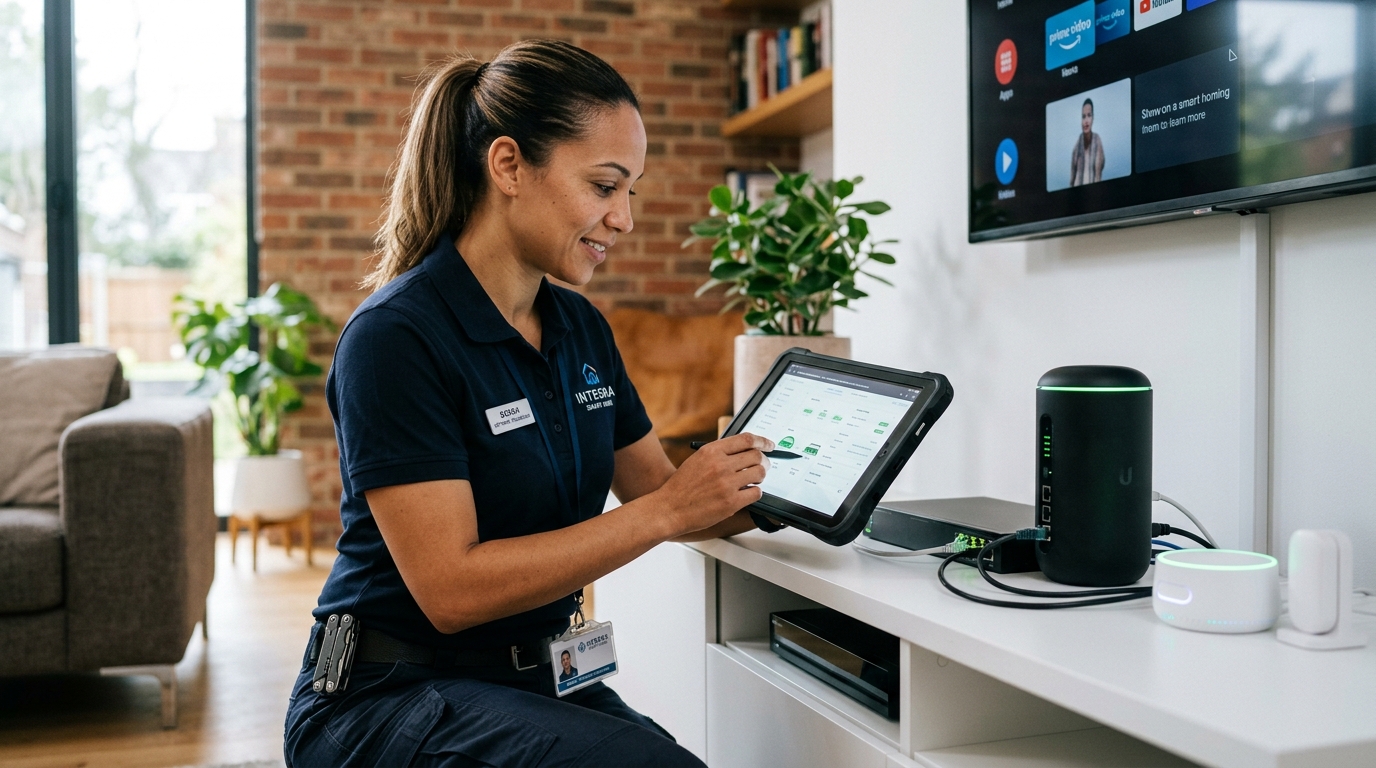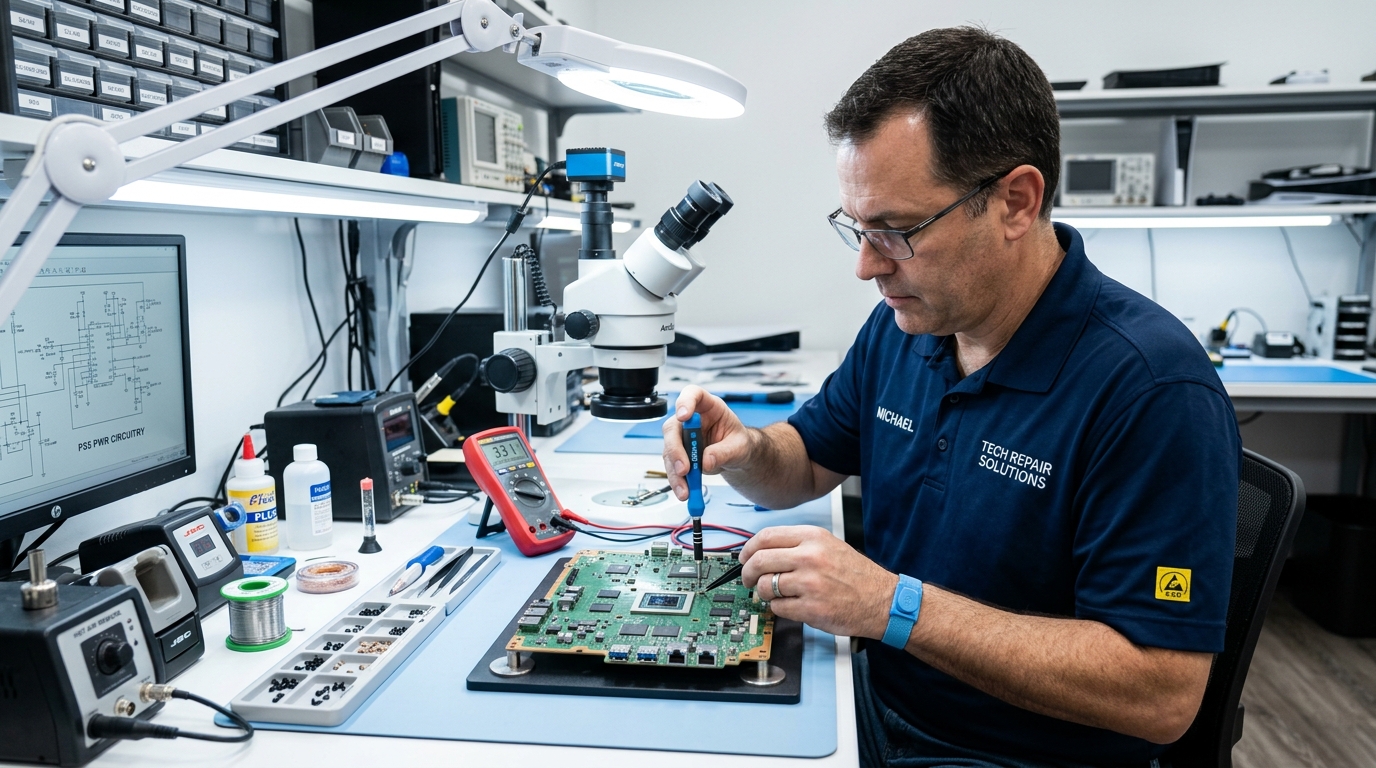
Ask what was actually checked.
Before agreeing to work, ask the technician to explain what they inspected, what they observed, and how those checks led to the suggested repair.
Ask for a plain explanation, note what will be handled, and keep the important details together before the device is worked on or taken away.
Confirm the exact component being replaced and ask why replacement is recommended instead of another adjustment or service step.
If a device or removable component leaves your home, keep a simple record of its condition and what was handed over.
A final check should relate to the original problem. Test the important functions, look over the physical condition, and keep the service details you may need later.
Open a device-specific guide before speaking with a local repair professional. Each guide focuses on the questions, records and final checks that can help you make a more informed decision.
01 / 06
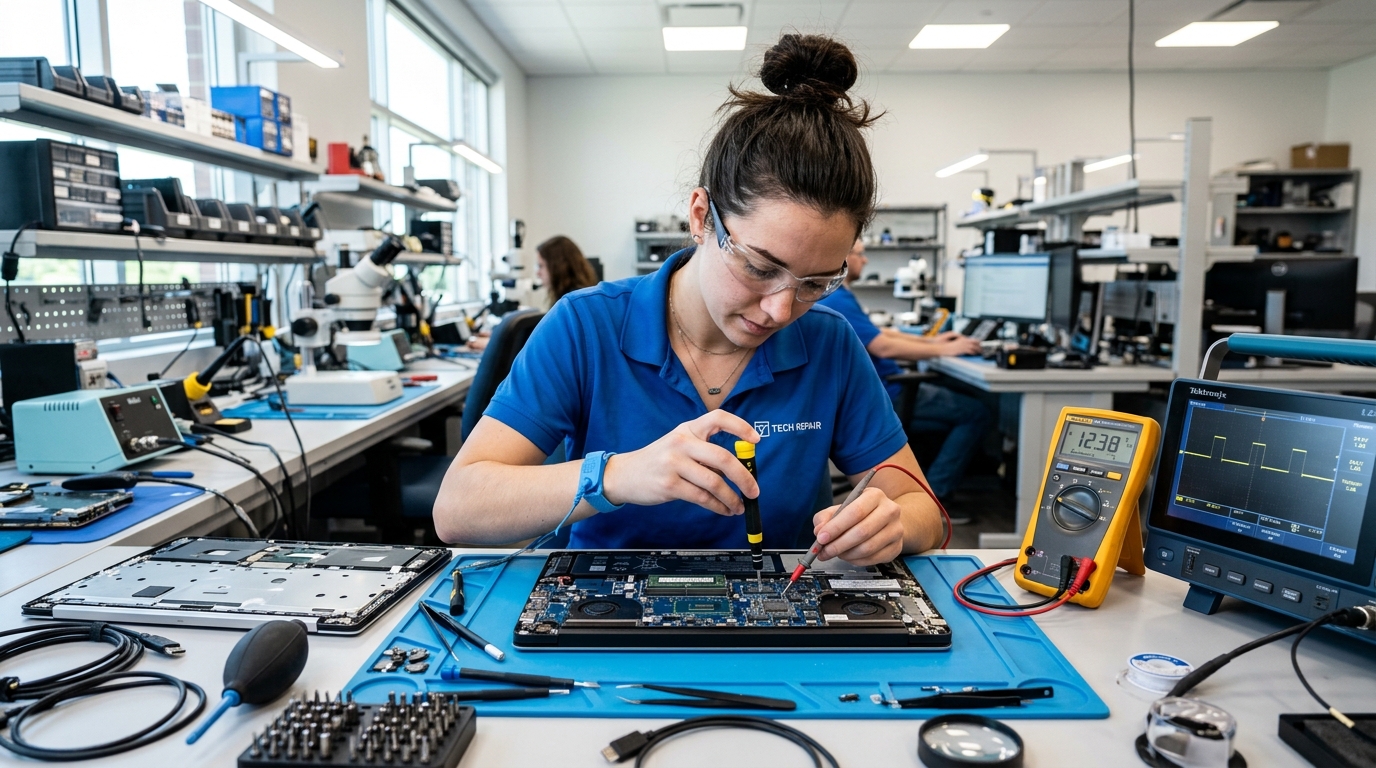
Learn what to record before service, how to discuss data access, what to ask about the diagnosis, and what to test when the computer is returned.
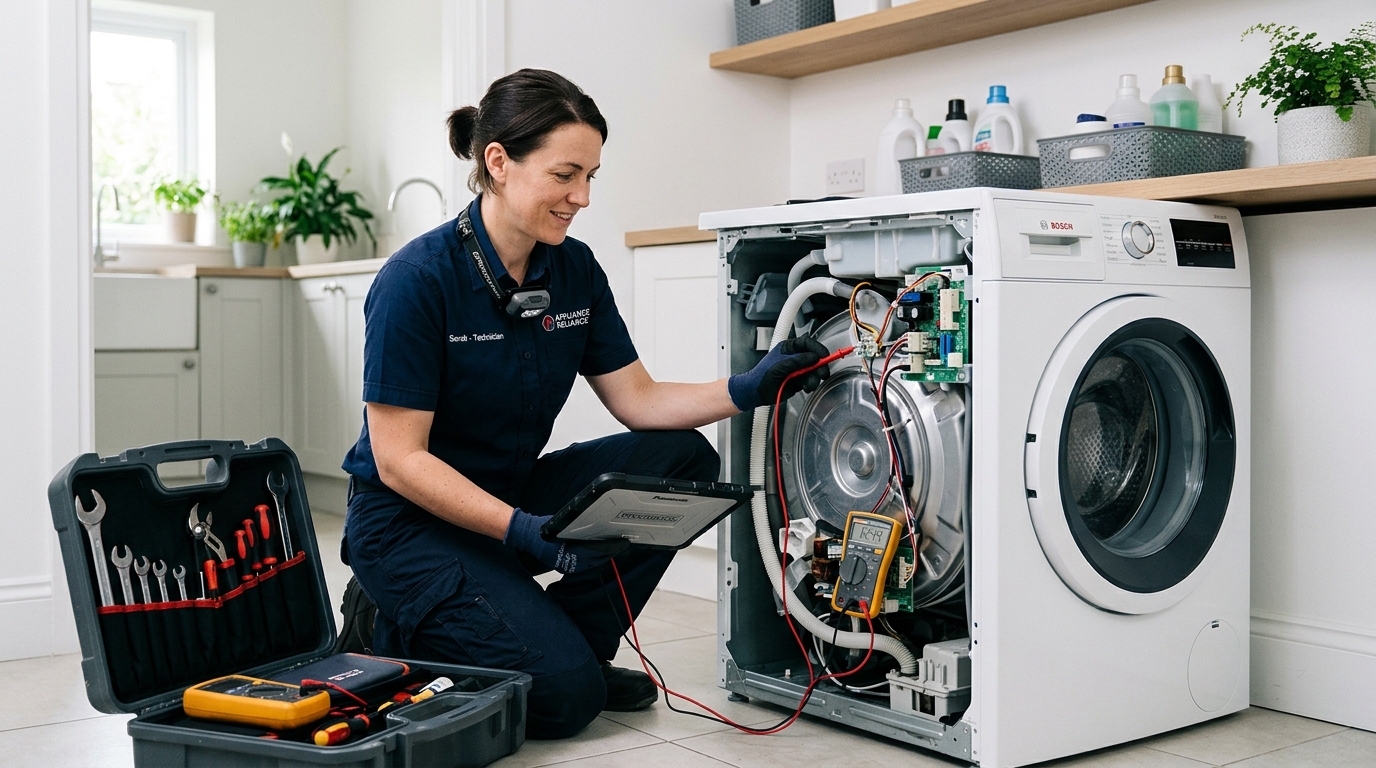
Prepare the fault details, understand what will be inspected, document the appliance and run a final test before sign-off.
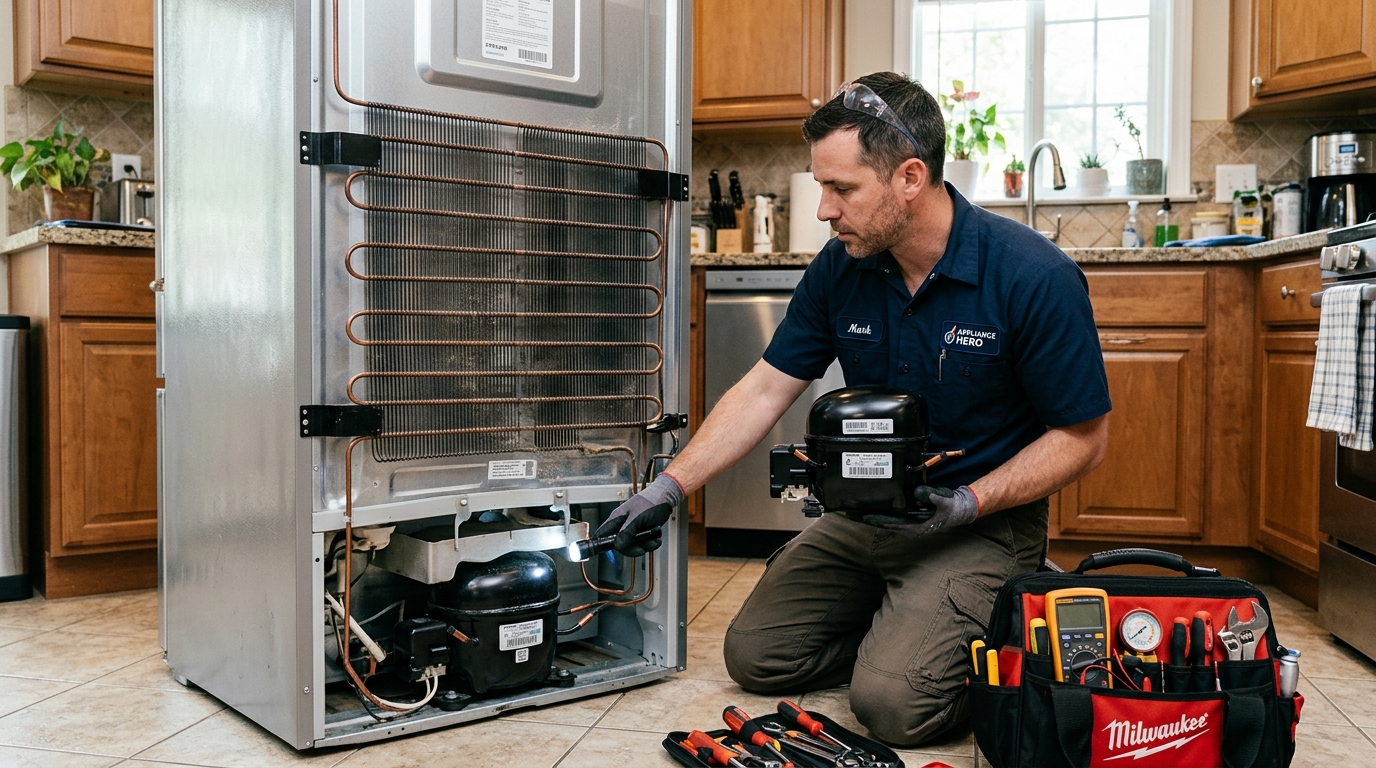
Note the symptoms, ask what was tested first, understand any sealed-system work and verify cooling after service.
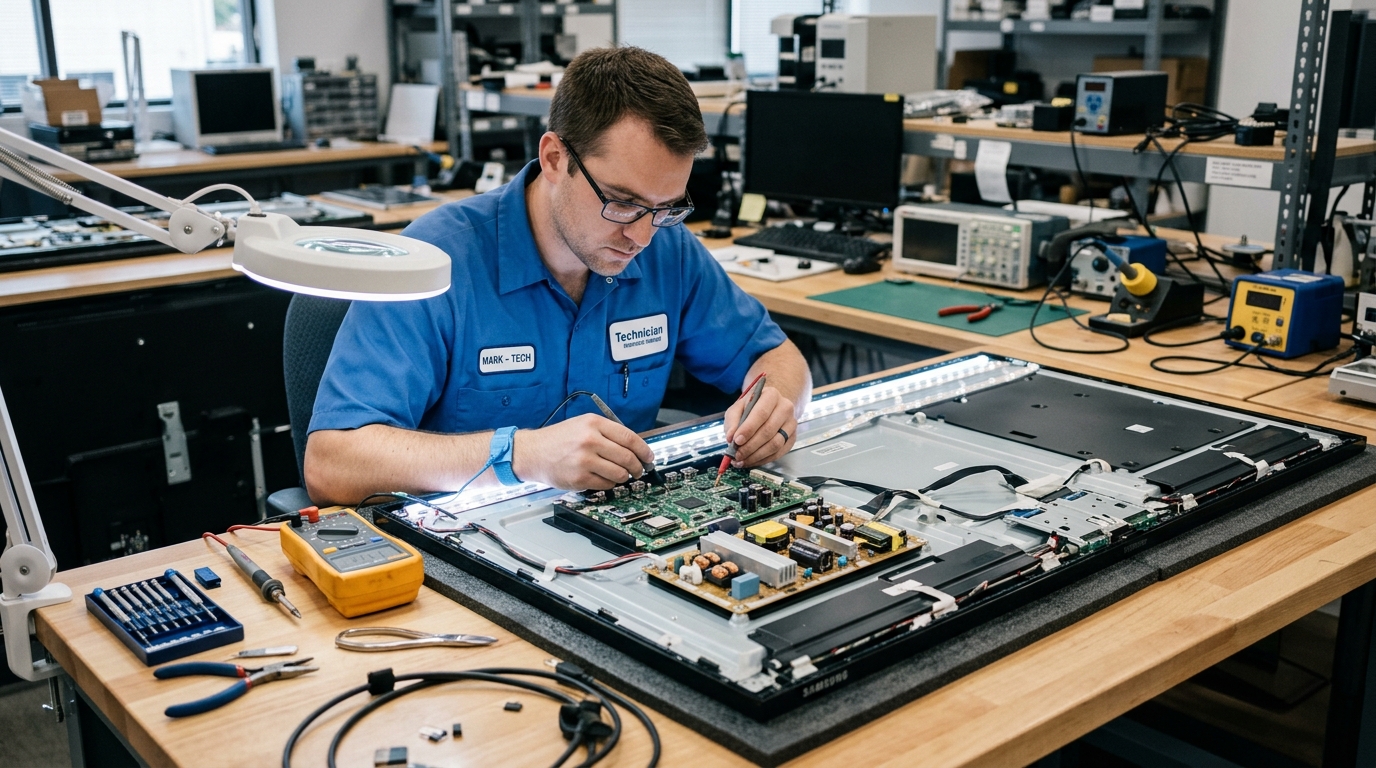
Describe the original symptom clearly, document the TV before transport and test picture, sound and inputs at handover.
Record the existing setup, keep ownership of primary accounts and understand which settings are changed during service.
Record ports and accessories, protect accounts and storage, ask about board work and test the original fault before collection.
Compare the full repair quote, product age and expected future use before approving a major repair.
If a repair quote is close to half the cost of a comparable replacement, compare both options carefully before deciding.
Include labor, parts, inspection and other charges in the total repair cost.
Older equipment may be more likely to need additional maintenance later.
Compare expected use, efficiency, warranty and replacement cost.
Use the full quoted amount rather than looking only at one part price.
Age does not decide the answer alone, but it helps put a large repair bill into perspective.
Think beyond today’s repair and compare warranty, condition and expected use.
Ask for a clear breakdown of diagnosis, parts and labor before agreeing to the work.
Ask for the part cost, inspection or visiting fee and labor charge separately.
Ask what was inspected, what problem was found and why the proposed work is needed.
Ask for the part name, compatible number where available, price and replacement reason.
Check visiting or inspection fee, labor charge and other agreed costs before work begins.
Keep the receipt showing work performed, parts used, amount paid and warranty terms.
Use these as starting questions when discussing a proposed repair.
What was checked before recommending a motor, pump or control-board replacement?
How was the cooling problem checked before recommending compressor or gas work?
Which component was tested before recommending a full motherboard replacement?
Was the backlight and related circuitry checked before suggesting display replacement?
Review the completed work, confirm replaced parts and keep a written record before making the final payment.
Take a few minutes to test the repaired item, review the bill and confirm any service or part warranty before closing the job.
If the amount is much higher than expected, ask why and compare another local estimate before approving more work.
Ask to see the removed part and review packaging or part details for the replacement where available.
Run a normal function check while the repair provider is still present so the original issue can be confirmed.
Use a simple real-world check based on the device that was repaired.
Run a short fill, drain and spin check and listen for unusual noise or leakage.
Check that the unit starts normally and ask what cooling behavior to expect after service.
Boot the device and test the specific function or hardware that was serviced.
Check picture, sound and the repaired input or display function before sign-off.
Written records make future follow-up much easier if the same issue returns.
Straightforward answers about quotes, parts, visiting fees, handover, warranties and repair decisions.
Open any question to read a short consumer-focused explanation.
Not always. Compare the repair quote with the cost of a suitable replacement, then consider the product’s age, condition and how long you plan to keep using it.
Keep the invoice and any written service warranty. Contact the repair provider with the original work details and ask what follow-up coverage applies.
Ask why off-site work is needed. Before handover, photograph the part or device, note visible identifiers where available, and get written acknowledgment of what was taken.
Ask for the part name, compatible part number and price. Review packaging or labels when available and keep the replacement details on the final invoice.
A provider may charge a visiting or inspection fee. Ask the amount before the visit and whether it will be adjusted if you proceed with the repair.
Ask what changed and request an updated itemized quote before authorizing additional work. If needed, compare another estimate before proceeding.
Compare clear business details, recent customer feedback, written estimates, service terms and how clearly the provider explains the proposed work.
No. Some work may require workshop tools or testing. Ask why the item needs to leave your home, what exactly is being taken, and how the handover will be documented.